

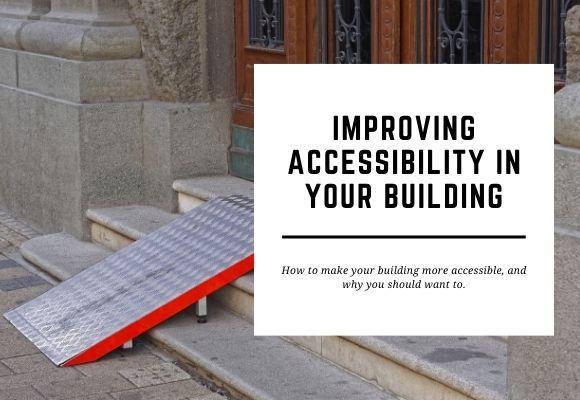
Improving accessibility in your building
Improving Accessibility in Your Building: Practical Changes That Benefit Everyone
Accessibility shapes how people interact with buildings — from workplaces and shops to public venues and residential complexes. A building that welcomes people with diverse mobility, vision, or hearing needs does more than follow regulations. It creates safer, more comfortable experiences for everyone who steps inside.
Australian laws set standards for accessible design. The Disability (Access to Premises – Buildings) Standards 2010 covers everything from entrances and corridors to toilets and signage. Following these guidelines ensures compliance under the Disability Discrimination Act 1992, but the real value comes from creating a space where movement feels natural and obstacles disappear.
A building with considered access encourages longer visits, attracts broader audiences, and leaves a better impression on customers and visitors. Comfort, convenience, and dignity matter just as much as legal checklists.
Financial, Legal and Ethical Reasons to Act
- 20% of Australians live with a disability. That’s over 4 million people who could either visit your building or avoid it.
- Missed Revenue: Inaccessible spaces lose customers. Entire groups — friends, families, carers — take their business elsewhere when access presents a challenge.
- Reputation at Stake: Positive word-of-mouth spreads fast when customers feel welcomed. Negative experiences spread faster.
- Recruitment Impact: Talented candidates may rule out inaccessible workplaces long before applying.
- Legal Risk: Failing to provide reasonable access can trigger complaints and legal action under the Disability Discrimination Act.
Focusing on access isn’t just a legal safeguard — it’s smart business. Creating spaces that work for everyone strengthens customer loyalty, attracts better candidates, and reduces risk.
Different Needs, Different Solutions
People experience disabilities in many ways. A wheelchair user needs clear doorways and ramps, while someone with low vision relies on tactile indicators and strong colour contrasts. Addressing these needs starts with knowing the barriers each group faces.
| Disability Type | Common Barriers | Solutions |
| Mobility | Steps, narrow corridors, uneven floors | Ramps, lifts, mat recesses |
| Vision | Poor lighting, unclear signage | Tactile indicators, high-contrast signs |
| Hearing | Audio-only alarms, no visual cues | Flashing alarms, visual doorbells |
| Cognitive | Confusing layouts, poor wayfinding | Clear, simple signage, logical layouts |
No single solution fits everyone, but combining features across categories covers a wider range of needs. Flexibility matters more than perfection.
Entrances and Pathways – Step-Free Starts Here
The first metre inside a building sets the tone for every visit. Steps, uneven thresholds, or narrow doorways force some visitors to turn around before they even get inside. Eliminating those early obstacles matters more than any internal adjustment.
Key Changes for Smoother Entry
- Widen Doorways: Standard-width doors often create problems for wheelchairs, prams, and mobility scooters.
- Automatic Doors: Push-button or sensor-operated doors improve access for everyone.
- Step-Free Access: Permanent ramps for main entries. Temporary wheelchair ramps for smaller steps or uneven transitions.
Wheelchair ramps, especially small rubber wedges, bridge short steps or raised thresholds. Lightweight and portable, they work well at internal doorways or temporary setups where permanent changes aren’t practical.
Ramps benefit more than wheelchair users. Parents with prams, delivery staff with trolleys, and people recovering from injuries all rely on smooth, level entry.
Flooring and Mats – More Than Decoration
Every surface underfoot plays a role in safety and comfort. Even small height differences — like a raised mat edge — can trip someone using a cane, walker, or wheelchair. Mats that shift underfoot create additional risks.
Recessed mats, where the mat sits inside a custom-cut floor cavity, solve several problems at once:
- Sits level with the floor — no raised edges to trip over.
- Holds position — no shifting, curling, or sliding.
- Contains dirt — keeps surrounding floors cleaner.
Recessed mats suit entrances, lift lobbies, and transition areas between indoor and outdoor spaces. They offer particular value where wheeled traffic — prams, wheelchairs, delivery trolleys — passes frequently.
Mat recesses also have other benefits, including longer mat lifespan and better dirt control in high-traffic areas.
Vertical Movement – Stairs Aren’t Enough
Single-storey buildings avoid most of the challenges linked to stairs and lifts, but anything taller presents clear barriers. Ramps work for gentle rises, but floors stacked on top of each other need better solutions.
Lifts support more than wheelchair users. People using prams, delivery carts, or walking frames all benefit from mechanical access between floors. Sufficient lift size allows wheelchair users to enter, turn, and exit comfortably.
Inside the lift, safety mats reduce the risk of slipping, particularly during wet weather. Mats designed for lifts trap dirt, absorb moisture, and provide a stable surface underfoot.
Clear floor numbers, both visual and tactile, make independent navigation easier for people with low vision. Braille labels, contrasting colours, and good lighting all support confident movement.
Tactile Indicators – Essential for Safe Navigation
For the 350,000 Australians living with low or no vision, every building presents a unique set of challenges. Floors, walls, and doorways don’t just guide movement — they act as silent messengers, offering information through touch and contrast.
Tactile indicators, often small raised bumps or strips, provide physical warnings about upcoming hazards. Stairs, escalators, and platform edges rely on them to warn visitors of changes ahead.
Tactile indicators work best when paired with high-contrast colour schemes. Strong differences between floors, walls, and doorframes create visual cues that supplement tactile information. Together, they offer people with low vision the chance to move confidently without assistance.
Accessible Facilities – Comfort and Dignity in Shared Spaces
Bathrooms, kitchens, and shared seating areas present frequent barriers for people with disabilities. Small changes inside these spaces improve safety, comfort, and independence for everyone who uses them.
What Matters in Accessible Bathrooms
- Wide doors and spacious layouts that accommodate wheelchairs and mobility aids.
- Grab rails near toilets, sinks, and showers.
- Adjustable mirrors and sinks at reachable heights.
- Emergency call buttons for assistance when needed.
- Slip-resistant mats on tiled surfaces to prevent falls.
Kitchens and Communal Spaces
- Lower countertops that allow seated use.
- Lever-style taps easier for people with limited dexterity.
- Seating options at varied heights for comfort and choice.
- Clear floor spaces to allow unobstructed movement.
Accessible spaces support more than individual comfort. They allow people to participate fully — whether they work in the building, visit for an event, or meet friends for a meal. No one should have to leave early because facilities aren’t suitable.
Emergency Access and Evacuation Planning
Emergencies test every part of a building’s design. Evacuation routes need to work for everyone, not just those who can run, climb, or hear alarms. Clear, accessible paths — combined with emergency systems designed for all abilities — protect people and reduce panic.
Core Elements of Inclusive Emergency Plans
Visual Alarms: Flashing lights paired with sound alarms alert people with hearing impairments.
Clear Signage: Arrows, colour-coded zones, and Braille labels guide all visitors towards exits.
Safe Refuges: Designated waiting points with communication systems for people who need assistance.
Evacuation Chairs: Equipment designed to help wheelchair users descend stairs safely.
Wide, Clear Routes: Doorways, corridors, and stairwells wide enough for wheelchairs and mobility aids.
Training staff to assist people with diverse needs ensures faster, safer evacuations. Emergency plans should be tested regularly, with feedback from people with lived experience helping shape improvements.
Continuous Review – Keeping Access on the Agenda
Accessibility isn’t a one-time fix. Buildings evolve. Tenants change. New technologies improve options. Regular reviews help catch new obstacles before they become permanent barriers.
Checklist for Regular Accessibility Reviews
- Entry Points: Are all primary and secondary entrances still accessible?
- Facilities: Do bathrooms, kitchens, and shared spaces meet current needs?
- Signage: Is information clear, visible, and available in multiple formats?
- Flooring: Do mats, ramps, and thresholds stay level and secure?
- Emergency Systems: Do alarms, evacuation routes, and equipment meet current standards?
Feedback matters as much as inspections. People who use the building every day — staff, customers, and visitors — notice problems long before they appear on official checklists. Providing easy ways to share concerns helps maintain safe, welcoming spaces.
Legal standards also shift over time. Staying up to date with changes under the Disability (Access to Premises – Buildings) Standards 2010 keeps buildings compliant and future-ready.
Accessibility Benefits Everyone – Not Just Those Who Need It Most
Improving access does more than tick boxes for compliance. Every visitor benefits from thoughtful design, even those who don’t currently experience mobility, vision, or hearing challenges.
Broader Benefits of Accessibility
- Faster, safer movement for delivery staff and maintenance crews.
- Easier access for parents with prams and young children.
- More comfortable navigation for older visitors.
- Reduced risk of trips, slips, and falls for everyone.
Accessible spaces serve communities better. Customers stay longer when comfort increases. Employees perform better when obstacles disappear. Visitors leave with positive impressions — and share them widely.
Every building gains from better access, no matter how small the adjustments might seem.
Matshop – Your Partner in Accessible Flooring Solutions
Flooring sets the foundation for safer, more accessible spaces. Matshop provides tailored matting solutions that enhance safety, improve access, and reduce maintenance headaches.
Matshop Products Supporting Accessibility
- Recessed Mats: Seamless, trip-free entry.
- Wheelchair Ramps: Smoother transitions at every doorway.
- Tactile Mats: Clear guidance for people with low vision.
- Anti-Fatigue Mats: Comfort for staff standing long hours.
- Wet Area Mats: Extra grip in bathrooms, kitchens, and entryways.
Matshop’s experts work directly with facilities managers, business owners, and construction teams to recommend products that fit specific spaces. Whether you’re fitting out a new building or upgrading an existing one, tailored matting improves safety without compromising style.
Final Thoughts – Access is an Investment, Not an Obligation
Treating accessibility as an investment — not just a compliance requirement — pays off in better customer experiences, safer workplaces, and stronger community reputation. Small changes, like recessed entrance mats or clearer signage, reduce barriers without disrupting operations.
Investing in accessibility means investing in your building’s future. Buildings that welcome everyone stay relevant longer, attract broader audiences, and operate more efficiently. Every visitor matters. Every adjustment counts.
For expert advice on selecting the right mats to support accessibility in your building, contact Matshop’s team today.


Recent comments