By buying direct from the manufacturer, you enjoy the best pricing on high quality products. If you find a better price on another item, call us on 1300 628 746
and we will better that price. Our guarantee stands for 45 days after purchase!
For your peace of mind, any orders of stocked items placed online are covered by our 365 Day Money Back Guarantee. You can return the unused product up to 365
days after the date of purchase. Simple get in touch to arrange an easy return.
Place your order by 2:00pm for same day despatch on our express couriers for items in stock. Need it sooner? Contact our sales team on 1300 628 746 to discuss your
deadline. For delivery times please refer to the Shipping tab.
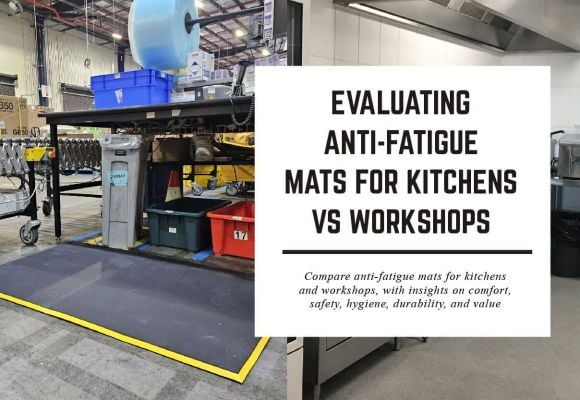
Kitchens and workshops present very different challenges. Kitchens demand mats that handle constant spills, grease, and frequent cleaning. Workshops require mats that can withstand heavy machinery, dropped tools, and oil exposure. Selecting the wrong type often shortens a mat’s lifespan and can even compromise safety.
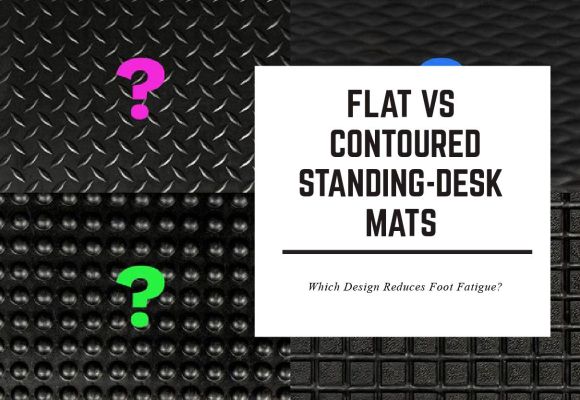
Standing desks have become a regular feature in many offices. The shift away from long hours of sitting has clear benefits, but it brings a new challenge: fatigue from standing. Sore feet, aching calves, and lower back strain can set in quickly without the right support.
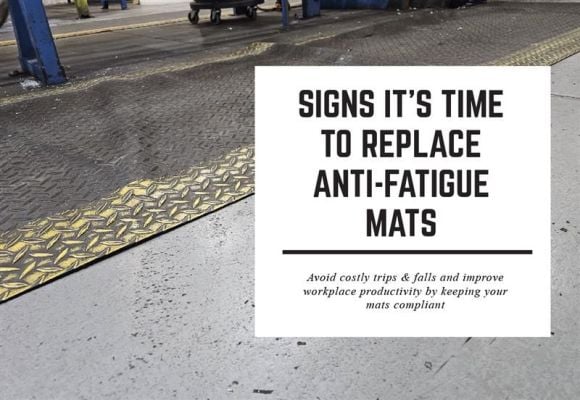
Like any surface exposed to daily use, mats break down over time. Once they lose their protective qualities, they stop doing their job. At that point, a mat can become more of a hazard than a benefit. Knowing the warning signs helps avoid accidents and unnecessary discomfort.
If you are responsible for adhering to the Building Code of Australia, you already know that entrance matting has its own set of specifications. These are meant to guide building managers in providing a safe space, as well as helping insurance companies assess their customers.
Entrance mats serve a practical purpose—keeping floors dry and reducing slip incidents. Yet when poorly chosen or installed, they introduce new risks. Raised edges, sliding mats, soaked surfaces, or deteriorating materials often turn safety products into hazards.
If you run a commercial kitchen, you probably have health and safety at the top of your worry list. In 2023 more than ever, customer and employee health is pivotal for a successful hospitality business. The best way to protect your people from slips, trips and falls is to install the correct matting. As well as preventing accidents, kitchen mats make staff more comfortable and productive. That, in turn, makes your customers happier.
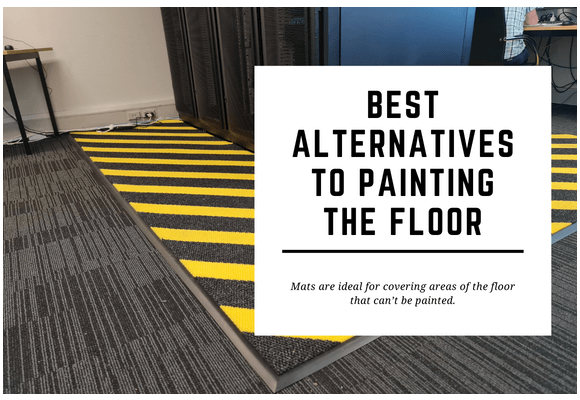
If you are trying to highlight a section of your floor, for safety or any other reason, paint might have been your first thought. But sometimes, and especially with carpet, paint isn’t the best option. A customer recently asked how they could create a safe space around a server rack in the railway station where they worked. The rack was surrounded by carpet, so the customer needed something that would work well inside that.
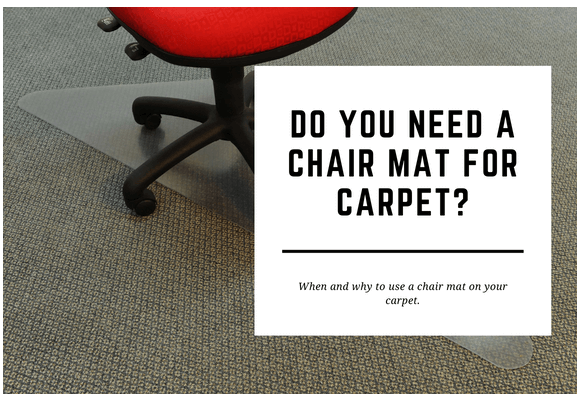
One of the common questions we are asked about chair mats is whether they are necessary on particular floors. Depending on your flooring type, you will need a different style of chair mat, but we do usually advise that you use one. This time, we’re focusing on carpet. So, do you need a chair mat for carpet?
Short Answer: A bog mat is a temporary mat laid over soft or unstable ground to prevent vehicles and equipment from sinking,
while protecting the surface underneath.
We have covered the best entrance mats in detail, but many of our customers want to know the disadvantages of floor mats too. Every product in existence likely has some downfalls and being aware of those will help you make the right decision the first time.
[…] The floor is the most occupied space in any building, so is unsurprisingly the scene of nearly all workplace accidents. The floor in every workplace requires good safety management to prevent hazards. If your workplace is a production line, you might also be interested in how to keep...