

Anti Fatigue Mats Buying Guide
Standing for extended periods puts strain on joints, muscles, and circulation. Without proper support, fatigue sets in quickly, leading to discomfort and long-term health concerns. An anti-fatigue mat provides relief by promoting subtle movements that improve blood flow and reduce pressure on the lower body.
The right choice depends on multiple factors, from the environment where it will be used to the material and size. This guide walks through every aspect of selection, making it easier to find the best match for any setting.
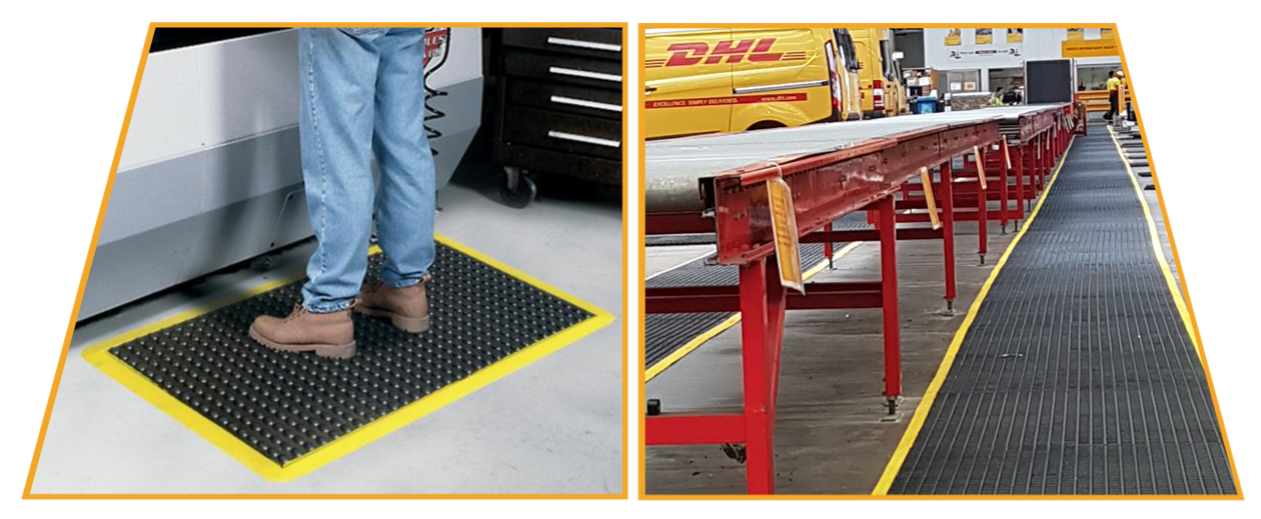
Adapting to Different Environments
The setting where a mat is placed determines its durability, slip resistance, and ability to provide comfort over time. Spaces can generally be divided into two categories—those that stay dry and those that are exposed to moisture.
Moisture-Prone Workspaces
Kitchens, industrial washing stations, and food processing areas require mats that handle liquids effectively. Surfaces exposed to water or spills need drainage capabilities to prevent pooling, which can cause slips and premature wear.
Mats designed for these conditions often feature holes that allow liquid to pass through while keeping the surface dry. Some models have raised bases that promote airflow underneath, helping moisture evaporate more quickly.
Dry Workspaces
Comfort takes priority in areas where moisture isn’t a concern. Dry Area Anti Fatigue Mats provide the necessary support to reduce strain on muscles and joints, making long hours of standing more manageable. Thicker padding enhances relief, while a non-slip backing helps maintain stability, preventing unnecessary movement underfoot.
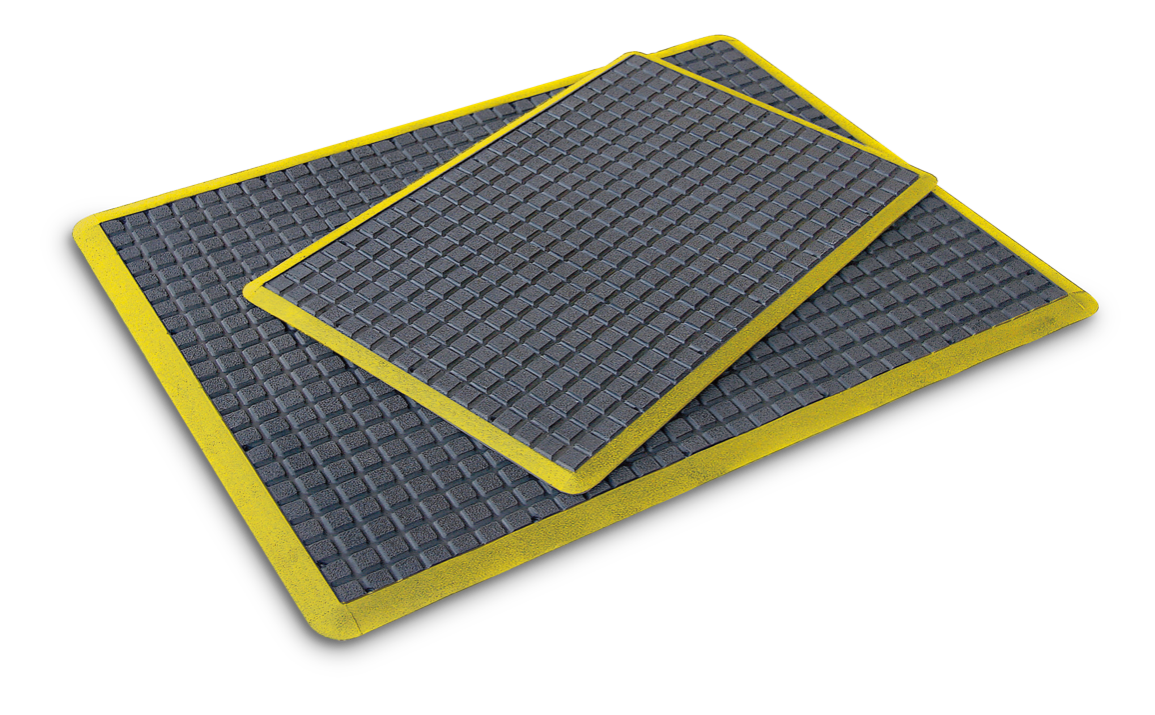
Material Selection: Durability vs. Comfort
The right material balances support, longevity, and ease of maintenance. Some excel in high-traffic settings, while others prioritise softness and cushioning.
Rubber: A Long-Lasting Option
Rubber mats hold up well under pressure. They flex under weight, providing consistent support while maintaining their shape over time. Another advantage is slip resistance, making them a reliable choice for busy areas.
Foam: Designed for Comfort
Foam-based mats absorb pressure, reducing the impact on joints. The soft cushioning relieves tension, making them ideal for jobs that require standing for extended hours. Due to their lightweight construction, they’re easier to reposition or replace when needed.
PVC: Practical and Cost-Effective
For those prioritising affordability, PVC mats provide a practical solution. They resist moisture and chemicals, making them easy to clean. While they may not offer the same flexibility as rubber, they still provide a cushioned surface that reduces strain. For help comparing materials, see how to choose the most suitable anti-fatigue mat material for different needs.
Choosing the Right Size
A poorly fitted mat reduces effectiveness. A size that’s too small forces users to adjust their stance, while oversized mats can create tripping hazards. The right dimensions ensure even weight distribution and full coverage of the workspace. For more context, see how the shape and layout of a mat can influence ergonomic comfort.
Standard Options
Ready-made sizes cater to common workstations and foot traffic areas. Some of the most widely used dimensions include:
57 x 85 cm
60 x 90 cm
61 x 120 cm
85 x 150 cm
90 x 120 cm
90 x 150 cm
1830 x 3000 mm
Custom-Fitted Mats
For spaces that require precise dimensions, custom sizing provides a seamless fit. Options include:
- 90 cm width
- 120 cm width
Tailored mats reduce gaps between sections, helping create a continuous surface that eliminates unnecessary edges or seams.
Proper Placement for Maximum Effectiveness
Positioning anti-fatigue mats correctly amplifies their benefits. Key areas to consider include high-traffic zones, workstations, and service counters where employees stand for extended periods. Mats should be placed on flat, clean surfaces to maximise stability and comfort.
For wet areas, drainage-enabled mats should be located near sinks, preparation stations, or entry points prone to water spills. In dry environments, placing mats in front of standing desks, cash registers, or assembly lines ensures employees gain continuous support.
Avoid overlapping mats, as this creates uneven surfaces that may become tripping hazards. For larger areas, multiple mats can be joined seamlessly or custom-sized to fit without gaps. Regularly review placement to adapt to changing workspace layouts or evolving needs.
Maintaining Longevity Through Proper Care
Routine maintenance extends the life of an anti-fatigue mat. Each material responds differently to cleaning methods, so it’s worth following care instructions suited to the specific type.
- Rubber Mats: Rinse with water and mild soap. Avoid harsh chemicals that could weaken the structure.
- Foam Mats: Use a soft cloth or vacuum to remove dust. Excessive water exposure may lead to quicker deterioration.
- PVC Mats: A simple wipe-down with soapy water removes grime. These are naturally resistant to stains, making upkeep easier.
Checking for wear helps determine when a mat needs replacement. Signs of excessive compression or cracking indicate that it’s losing effectiveness, making an upgrade necessary. If you're not sure what to watch out for, here's how to spot the early indicators that your anti-fatigue mat may need replacing.
Workplace Benefits of Anti-Fatigue Mats
Anti-fatigue mats deliver more than comfort; they provide a tangible boost to workplace health and efficiency. Employees who stand for long hours experience reduced strain on their legs, lower back, and feet, leading to fewer complaints of pain and fatigue. Improved circulation and posture contribute to long-term wellness, minimising risks associated with prolonged standing.
Safety is another significant advantage. Anti-fatigue mats reduce slip-and-fall incidents, particularly in areas prone to spills. Additionally, their cushioning absorbs impact, protecting both employees and flooring from damage.
From a business perspective, the benefits extend beyond physical comfort. Reduced fatigue often translates to higher productivity, as employees are more focused and less likely to experience exhaustion-related errors. A safer, more comfortable workplace also lowers absenteeism and workplace injury claims, saving costs over time.
Industries That Benefit from Anti-Fatigue Mats
Certain industries face unique challenges when it comes to employee comfort and safety. Anti-fatigue mats address these challenges effectively across a wide range of environments:
- Manufacturing and Warehouses: Employees in assembly lines or handling equipment benefit from reduced joint pressure and fatigue during long shifts.
- Retail and Hospitality: Cashiers, bartenders, and kitchen staff experience improved comfort during standing tasks, boosting morale and reducing downtime. Venues can also explore our full range of Hospitality Mats designed for bars, kitchens, and service areas.
- Healthcare: Professionals in hospitals and clinics, such as nurses and surgeons, stand for extended periods and rely on mats to prevent joint strain.
- Offices with Standing Desks: Mats enhance the ergonomic benefits of standing desks by reducing fatigue during work hours.
- Education and Public Services: Teachers and administrative staff who stand during lessons or at service counters experience greater comfort.
These mats are versatile enough to adapt to varying demands, making them an invaluable asset across many industries. If you're choosing between environments, it helps to compare the features that matter most in kitchen versus workshop settings.
Additional Features for Functionality
Beyond material and size, specific design elements improve usability. Some features enhance comfort, while others cater to environments with unique safety concerns.
Drainage Holes for Wet Areas
Liquids pooling on the surface create risks for slips and early wear. Mats with perforations allow fluids to pass through, keeping the surface drier. These are particularly useful in kitchens, food preparation stations, and industrial washing areas.
Grease and Chemical Resistance
Certain environments demand more than just comfort. Kitchens, laboratories, and automotive workshops often expose flooring to grease, oils, and cleaning agents. Mats designed with chemical-resistant properties prevent material degradation and maintain grip even when exposed to slippery substances.
Bevelled Edges for Seamless Transitions
Workspaces with wheeled equipment benefit from tapered edges. A gradual incline makes it easier to roll carts, trolleys, and chairs across the mat without obstruction. The sloped design also reduces the likelihood of tripping by removing harsh edges.
Non-Slip Backing for Stability
A mat that shifts underfoot loses its effectiveness. Some models include textured or adhesive backing that keeps them in place. Rubber naturally prevents slipping, but foam and PVC versions often require extra grip. Pressure-sensitive adhesives or recessed placements provide additional security.
Selecting the Right Mat for Specific Uses
Different environments require tailored solutions. Below are common settings and recommended options that best suit them. If you’re comparing features, comfort, or price, check out our list of the most popular anti-fatigue mats used across various industries.
Standing Desks: Prioritising Comfort and Aesthetics
Office environments call for a balance between comfort and professional appearance. A sleek, cushioned mat supports employees without compromising the workspace’s visual appeal.
Recommended Option:
- Resilient Ultra High Comfort Anti-Fatigue Mat – Ideal for prolonged standing at workstations.
Commercial Kitchens: Handling Heat, Grease, and Liquids
Safety and durability matter most in food preparation areas. Heat-resistant and grease-proof materials prevent early deterioration while providing a non-slip surface.
Recommended Option:
- Grease-Resistant Rubber Safety Mat with Holes – Designed to handle high temperatures, moisture, and heavy foot traffic.
Warehouses and Factories: Supporting High-Traffic Areas
Industrial settings require a balance between comfort and practicality. Workers need relief from fatigue, but the mat must also accommodate carts, forklifts, and heavy loads.
Recommended Option:
- Heavy-Duty Industrial Anti-Fatigue Mat – Built for durability while allowing easy movement of equipment.
Ordering Process
Once the right mat is selected, placing an order is straightforward. Multiple options are available to accommodate different preferences.
Online Orders
For convenience, the full range of anti-fatigue mats is listed on the website. Orders can be placed directly through the product pages, with specifications such as size and material easily customisable before checkout.
Phone Consultation for Custom Orders
Customers with unique requirements or questions can speak directly with a team member. Assistance is available for choosing the best mat based on specific workplace conditions.
Contact:

Final Thoughts
The right anti-fatigue mat does more than provide comfort. It supports long-term health, improves safety, and enhances productivity. Selecting the correct material, size, and features ensures a better working experience while extending the mat’s lifespan.
For personalised recommendations or assistance with custom sizing, reach out to the team for expert guidance.


Recent comments