


Featured Products
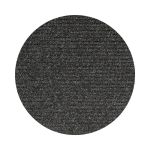



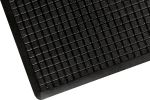
Egress nets protect animals and vehicles
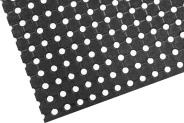
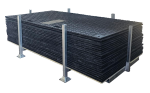
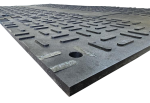
Made from a flexible rubber formula, this egress matting will flex to fit the section of the dam or wall that it is fixed to while providing a slip-resistant surface for animals. The large holes in the mat allow water to continually drain through, and the raised underside pattern offers a good grip for animals and fauna to escape easily.
Protective matting for animals of all sizes
The egress mat’s thick construction will withstand the weight of animals of any size, from large cattle and horses to goats and sheep. It is also perfect for native wildlife such as kangaroos, dingos, wombats, right down to smaller echidnas. These animals are naturally attracted to large bodies of water, so it is important to protect them from drowning or other injuries.
Maintenance-free animal welfare
Quickly install and leave for the duration of your work. The fauna matting can be pinned down with pegs to secure the egress matting in place in the animal escape ramp. How often the egress matting needs replacing will depend on the size of the dam or pond and the nature of the project. As well as helping you to protect the environment you are working in, egress matting allows you to comply with your state’s environmental regulations.
Protecting Native Wildlife Around Water Sources
Egress mats serve a vital purpose in protecting animals near man-made water bodies. Dams, ponds, and reservoirs often attract kangaroos, wombats, livestock, and smaller native species looking for water. Without a safe path out, animals risk getting stuck, injured, or drowned. Egress mats provide the grip and stability animals need to escape safely.Flexible Design for Uneven Surfaces
No two sites are the same, so egress mats need to work across a range of terrains. Flexible rubber construction allows each mat to mould to irregular surfaces along dam walls, banks, or sloped areas. Water drains easily through the open weave, preventing build-up and keeping the surface clear for safe passage.Benefits of Egress Mats
- Protects native animals from drowning or injury
- Preserves dam liners and other water management structures
- Provides safe footing for cattle, sheep, and horses
- Quick to install and reposition as site needs change
- Works in mining, construction, and agricultural sites
Long-Term Durability in Harsh Conditions
Egress mats face constant pressure from water, animal traffic, and exposure to the elements. Hardwearing rubber construction resists degradation, even with regular contact from large hooves or claws. Raised grip patterns help animals climb out without slipping, no matter how wet or muddy the surface becomes.Supporting Environmental Responsibility and Compliance
Protecting wildlife isn’t just good practice — it helps meet regulatory requirements for environmentally sensitive projects. Construction, mining, and infrastructure works near water often need measures in place to protect local fauna. Egress mats demonstrate clear action taken to reduce environmental impact on native species.Brands That Trust Us